
Aquatic Therapy Benefits for Pain Relief, Mobility, and Recovery
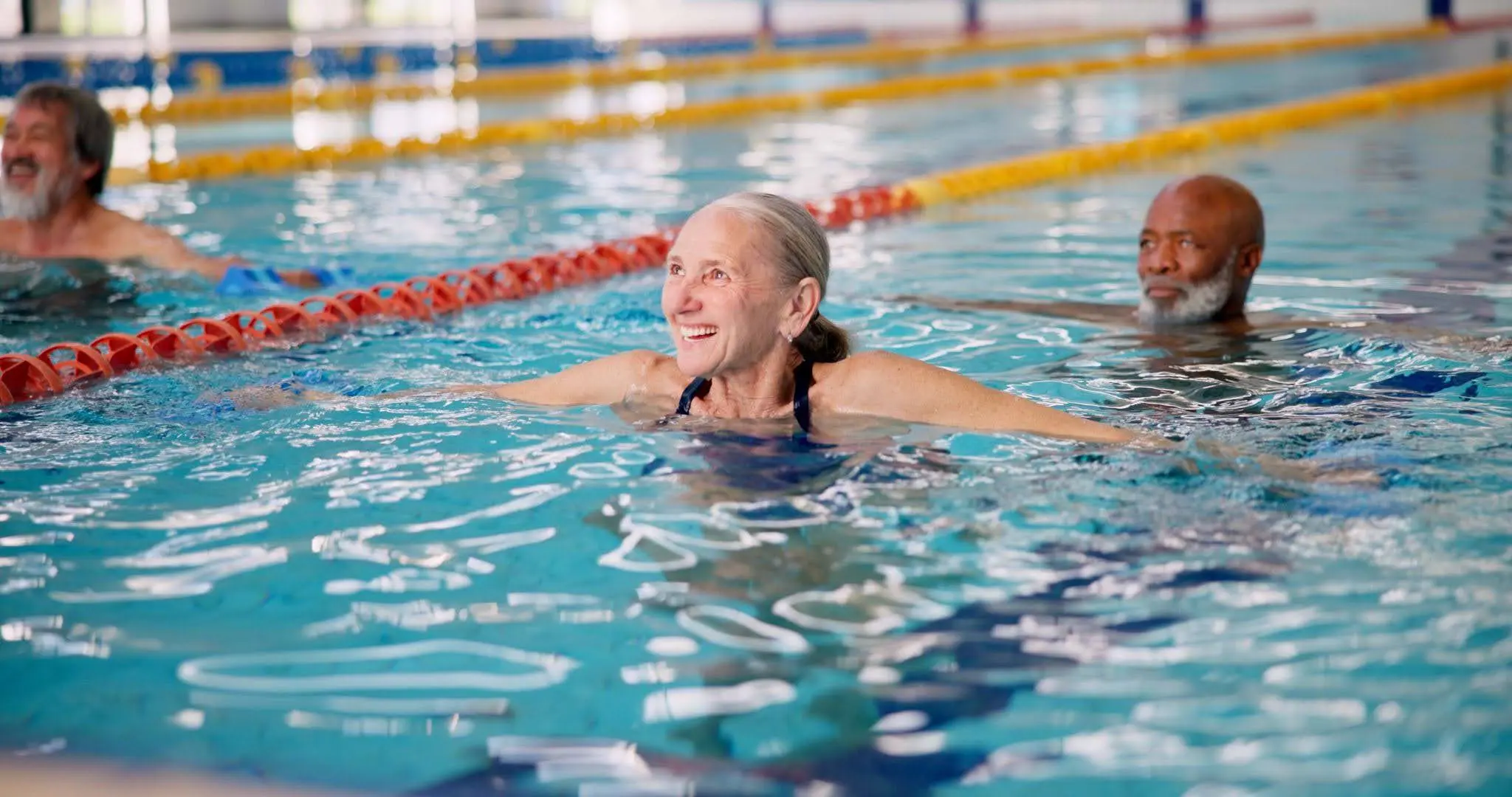
Managing pain, stiffness, or limited mobility can make exercising more difficult with age or during recovery. Aquatic therapy offers a gentle alternative, with benefits including reduced joint stress, improved mobility, pain relief, and easier movement supported by water.
At Westminster Place, a Life Plan Community in Evanston, IL, wellness is part of everyday life. Our community has an on-site pool that encourages low-impact exercise and supports healthy aging.
“Fitness and mobility look different for everyone,” says John Hanrahan, Fitness Program Manager at Westminster Place. “Our goal is to provide residents with welcoming spaces and wellness opportunities that help them feel their best and continue doing the things they enjoy.”
For seniors and families, this approach helps support comfort, confidence, and long-term well-being.
What Is Aquatic Therapy?
Aquatic therapy, or water therapy, is guided therapeutic exercise performed in water—often with a physical therapist—to improve strength, flexibility, balance, mobility, and recovery while reducing stress on the body.
Unlike general pool exercise, it is highly individualized, with movements tailored to each person’s needs and goals. Its benefits come from key properties of water:
- Warm water helps relax muscles and reduce tension
- Buoyancy reduces weight bearing on joints
- Hydrostatic pressure supports circulation and can help reduce swelling
- Natural resistance enables gentle strengthening without impact
Because the body feels lighter in water, movement is often easier and less painful than on land.
What Are the Aquatic Therapy Benefits?
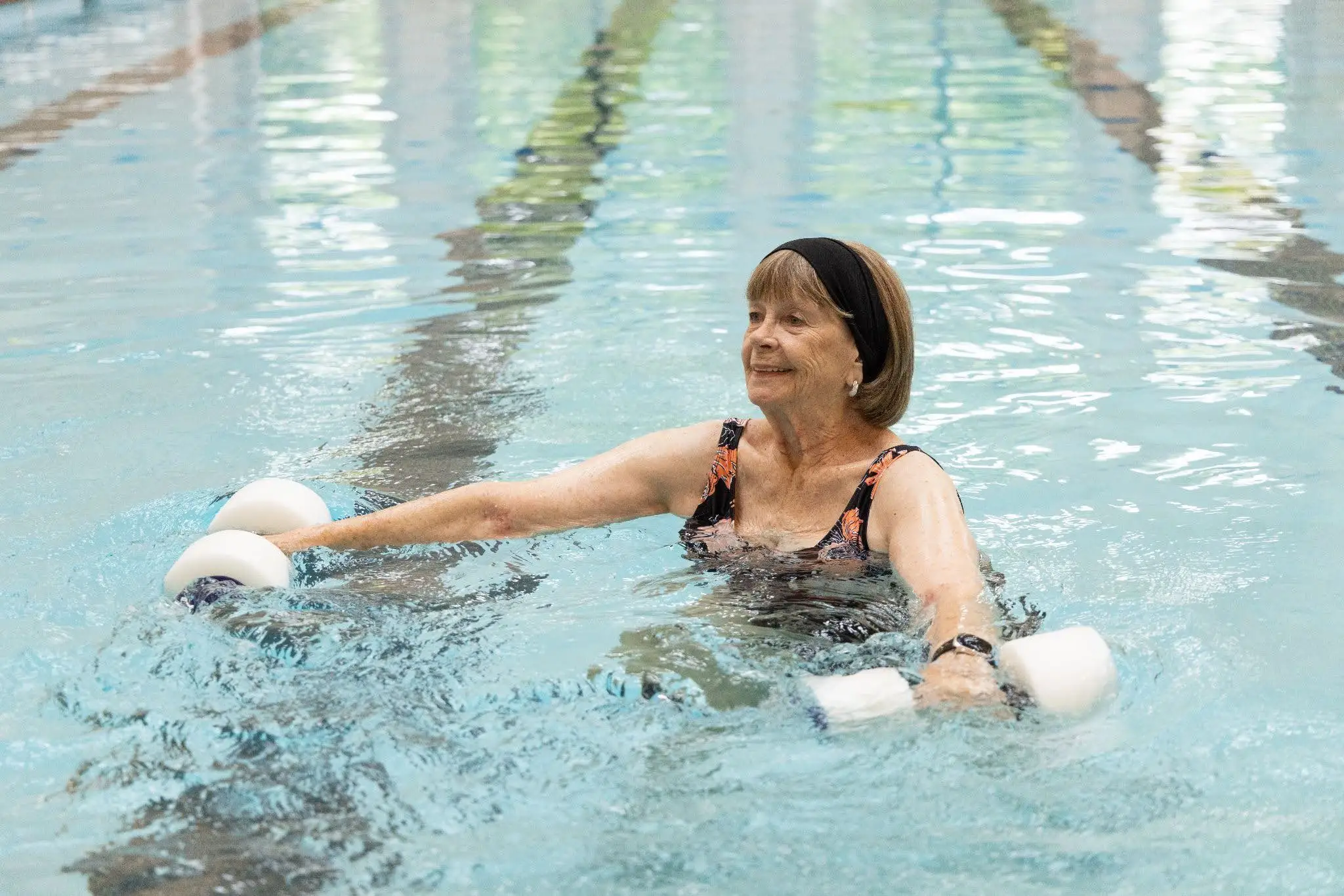
Aquatic therapy offers a wide range of benefits for older adults, especially those managing and reducing pain, recovering from surgery, or seeking a gentler way to stay fit. The combination of warm water, reduced joint impact, and natural resistance helps improve comfort, mobility, and confidence with movement.
A carefully maintained pool environment further enhances these effects by helping muscles relax and supporting safe, controlled exercise.
Reduced Joint Stress Through Buoyancy
Water buoyancy helps support body weight, making movement feel lighter and more comfortable for many seniors.
- Water supports the body and reduces weight-bearing on joints
- Helps decrease pressure on the knees, hips, ankles, and spine
- Allows seniors with mobility limitations or arthritis to move more comfortably
- Supports low-impact movement and wellness
Pain Relief and Muscle Relaxation
Warm water can help ease tension throughout the body, creating a more relaxing and therapeutic exercise experience.
- Warm water helps relax muscles and reduce stiffness
- May ease discomfort from arthritis, back pain, fibromyalgia, and post-surgical recovery
- Encourages gentle movement in a calming environment
- Helps seniors feel more confident
Improved Mobility and Range of Motion
The supportive nature of water allows individuals to move more freely while safely improving flexibility and coordination.
- Water supports the body while providing gentle resistance
- Helps improve flexibility, coordination, and joint mobility
- Makes movement easier than many land-based exercises
- Can support recovery after injury or surgery
Increased Circulation and Healing
Water pressure and movement can help support circulation and recovery while reducing physical strain on the body.
- Hydrostatic pressure may help increase blood circulation
- Can reduce swelling and inflammation
- Supports recovery and healing
- Helps movement feel more comfortable during rehabilitation
Enhanced Strength and Balance
Although water is gentle on the body, it also provides natural resistance that can help build strength and stability safely.
- Water resistance helps build strength safely
- Supports better balance and coordination
- May help reduce fall risk over time
- Encourages greater confidence and autonomy for older adults
Residents at Westminster Place enjoy a vibrant lifestyle while experiencing the benefits of aquatic therapy, wellness amenities, and engaging daily living.
What Conditions Can Benefit from Aquatic Therapy?
Aquatic therapy is highly adaptable and can support a wide variety of health conditions and recovery needs. Because exercises are tailored to each individual, therapy can often be adjusted based on comfort level, mobility, and personal goals.
Conditions that may benefit from aquatic therapy include:
- Arthritis and joint pain
- Osteoporosis
- Post-surgical recovery
- Knee or hip replacements
- Orthopedic injuries
- Chronic pain conditions
- Balance disorders
- Mobility limitations
- Neurological conditions
- General muscle weakness or deconditioning
For many seniors, water therapy offers an approachable way to exercise while reducing the physical stress that can come with traditional exercise.
It is important to note that aquatic therapy programs are typically designed and supervised by a physical therapist or rehabilitation professional to ensure exercises remain safe and effective for each participant.
Aquatic Therapy vs. Water Aerobics: What’s the Difference?
Aquatic therapy is a medically guided, individualized form of exercise focused on rehabilitation and recovery, often supervised by a physical therapist. Water aerobics is a group fitness activity centered on general wellness, cardiovascular health, and social engagement.
While both take place in the pool and offer low-impact movement, they serve different purposes depending on a person’s goals and needs.
| Aquatic Therapy | Water Aerobics |
| One-on-one or individualized care | Group fitness classes |
| Led by a physical therapist | Led by an instructor |
| Focus on rehabilitation and recovery | Focus on general fitness and wellness |
| Tailored to medical needs or limitations | Standard exercises for all participants |
| Often used after injury, surgery, or for chronic pain | Used for ongoing activity and social engagement |
Both can support an engaged lifestyle, but aquatic therapy is more specialized for recovery and physical support, while water aerobics focuses on overall fitness and community participation.
Experiencing Aquatic Therapy Benefits at Westminster Place
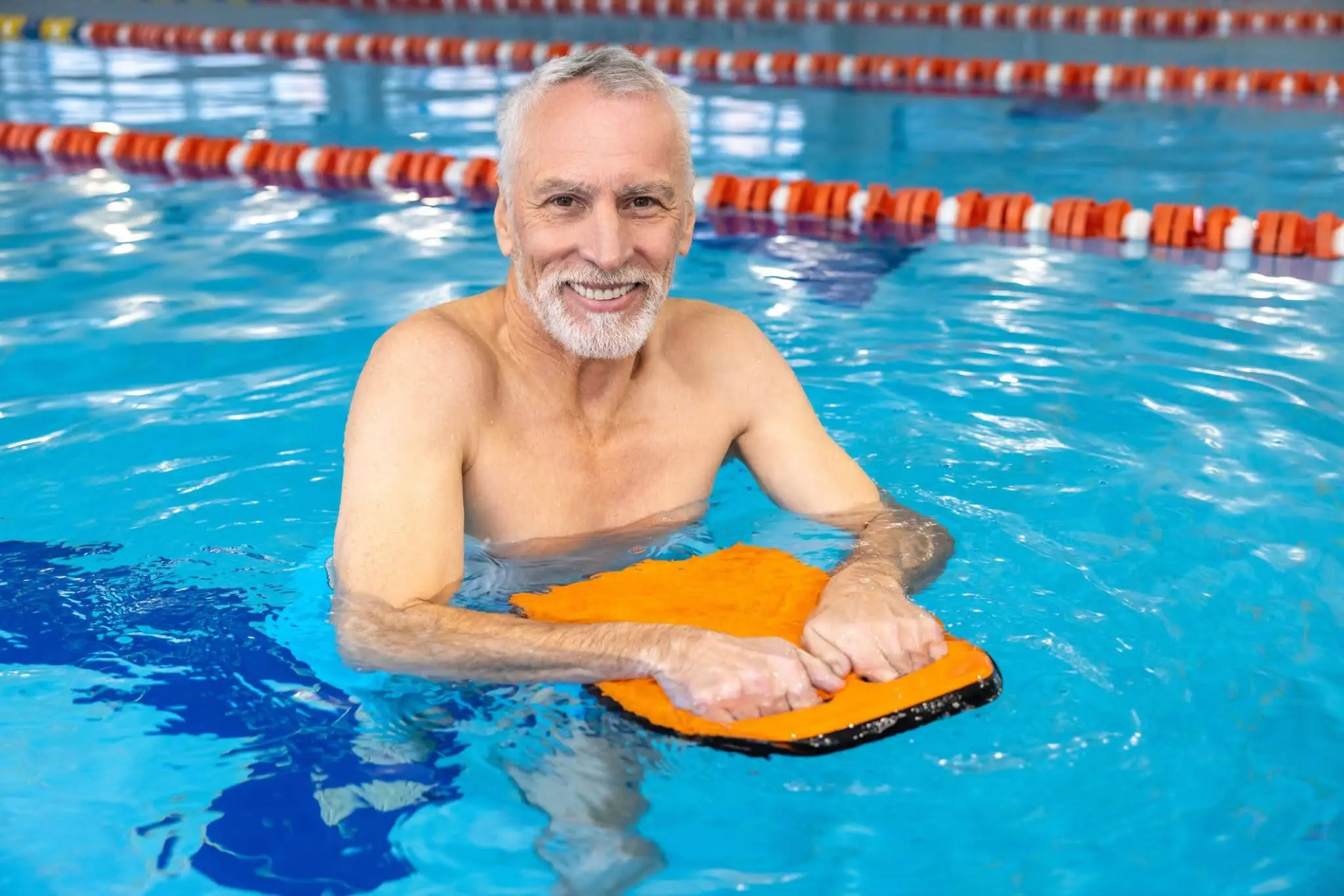
At Westminster Place, wellness is part of everyday life, with opportunities that support movement, connection, and healthy aging. The on-site pool provides a comfortable space for water-based exercises and wellness activities that help support mobility and overall well-being.
With convenient access to these amenities, residents can thrive in an environment designed to support both physical and emotional health.
Beyond the aquatic therapy benefits, the pool helps residents build routines, stay engaged, and remain connected to community life. Westminster Place supports thriving through:
- Opportunities for healthy aging
- Maintenance-free living that allows more time for wellness and hobbies
- Amenities that encourage social connection and engagement
- A supportive environment focused on overall quality of life
With thoughtfully designed spaces and programs—including an on-site pool, wellness offerings like chair yoga, and engaging activities—residents are supported in maintaining strength and mobility while enjoying a vibrant lifestyle.
To learn more about wellness opportunities at Westminster Place, we invite you to connect with our team or plan a visit. Discover how our community supports an engaging, healthy lifestyle through amenities like our pool, fitness programs, and engaging daily activities.