Dynamic Fall Prevention Tips for Seniors: How We Reduce Risk in Memory Care and Skilled Nursing

Every day should feel safe, confident, and full of possibility, no matter your age. But for older adults, the fear of falling can quietly erode that sense of security, limiting movement, reducing engagement, and diminishing quality of life. Falls are one of the most common and serious health risks facing seniors today, but they don’t have to be inevitable.
At Westminster Place, we believe fall prevention isn’t just about avoiding accidents; it’s about empowering residents to move freely, participate fully, and live with confidence. Our fall prevention tips for seniors can keep you engaged and safe. Through our Memory Care and Skilled Nursing programs, we take a dynamic, proactive approach that combines personalized care, evidence-based strategies, and environmental design to keep every resident secure and supported.
Why Fall Prevention Matters for Seniors
The Impact of Falls on Senior Health
Falls affect more than just physical health – they have far-reaching consequences that touch every aspect of a senior’s life.
Physically, falls can lead to serious injuries like fractures, head trauma, and reduced mobility. Hip fractures, in particular, can result in prolonged recovery, hospitalization, and a decline in overall function. Even minor falls can cause bruising, sprains, or pain that limits movement and makes daily tasks more difficult.
Emotionally, the impact can be just as significant. Many seniors who experience a fall develop a persistent fear of falling again. This fear often leads to reduced activity, social withdrawal, and a loss of confidence that affects their abilities to engage in the activities they love. The psychological toll can diminish confidence and overall well-being, creating a cycle that’s hard to break without proper support.
Common Causes of Falls in Older Adults
The risk of falling increases as we age. Understanding why falls happen is the first step in prevention. Common causes include:
- Balance and gait issues: Age-related changes in strength, balance, coordination, and stability make it harder to recover from a stumble or misstep.
- Medications: Certain prescriptions can cause dizziness, drowsiness, or drops in blood pressure that increase fall risk.
- Vision and hearing changes: Difficulty seeing obstacles or hearing warning sounds can lead to accidents.
- Environmental hazards: Loose rugs, poor lighting, clutter, and uneven surfaces create tripping risks.
- Chronic health conditions: Conditions like arthritis, Parkinson’s disease, or diabetes can affect mobility, sensation, and balance.
The good news? Most of these risk factors can be managed with the right strategies and support.
Top Fall Prevention Tips for Seniors
Improve Balance and Strength with Exercise
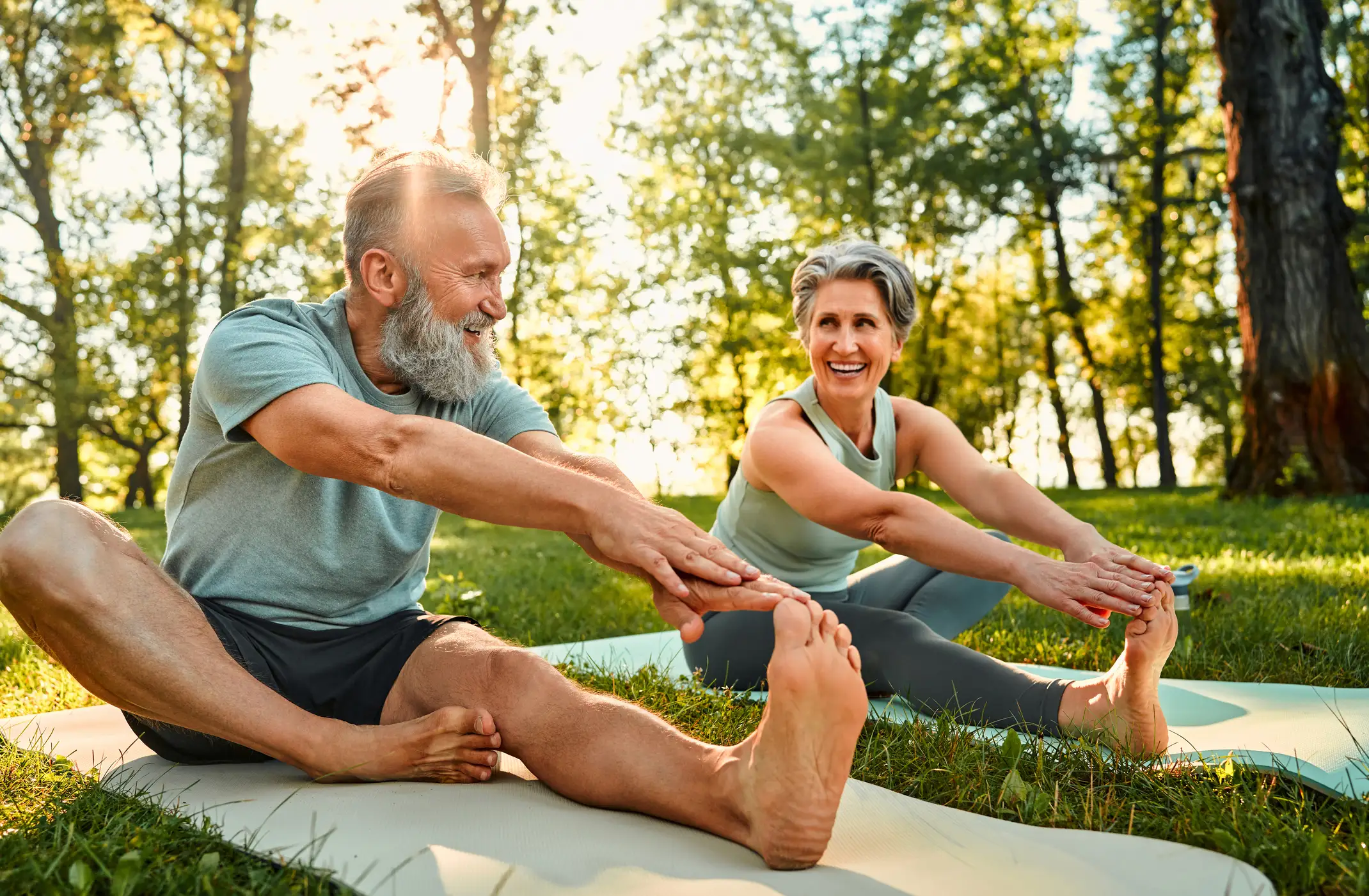
Physical activity is one of the most effective ways to reduce fall risk. Gentle exercises that focus on strength, flexibility, and balance help seniors maintain stability and coordination.
Programs like tai chi, chair yoga, and resistance training are specifically designed for older adults, build strength, and can be adapted to individual abilities. Even simple activities, like standing on one foot while holding a counter, practicing heel-to-toe walking, or doing seated leg lifts, can make a meaningful difference over time.
At Westminster Place, our therapy teams work closely with residents to develop personalized exercise plans that build confidence while improving physical function.
Review and Manage Medications
Some medications can increase fall risk by causing dizziness, confusion, or changes in blood pressure. It’s important for seniors and their healthcare providers to regularly review all prescriptions, over-the-counter medications, and supplements to identify potential side effects.
If a medication is contributing to instability, a doctor may be able to adjust the dosage, change the timing, or suggest an alternative. Keeping an updated medication list and discussing any new symptoms with a healthcare provider can help prevent falls before they happen.
Schedule Regular Vision and Hearing Checks
Sensory changes are often gradual, making them easy to overlook, but they play a major role in fall prevention. Poor vision makes it difficult to see obstacles, judge distances, or navigate stairs safely. Hearing loss can prevent seniors from noticing warning sounds or staying aware of their surroundings.
Regular eye exams ensure that glasses or contact lenses are up to date, and hearing tests can identify changes that may require hearing aids or other interventions. Addressing these issues early helps seniors move through their environments with greater awareness and confidence.
Stay Hydrated and Nourished
Dehydration and poor nutrition can lead to dizziness, weakness, and confusion, all of which increase the likelihood of a fall. Older adults may not always recognize thirst or hunger cues, making it important to establish consistent habits around eating and drinking.
Encouraging regular meals, nutritious snacks, and adequate water intake throughout the day supports energy levels, cognitive function, and physical stability. At Westminster Place, our dining teams and care staff work together to ensure residents receive the nutrition and hydration they need to stay strong and alert.
Making the Home Safer for Seniors
Eliminate Tripping Hazards
Home hazards are a leading culprit in falls. Clutter, loose cords, and obstacles in walkways are among the most common causes of falls. Take time to clear pathways, secure electrical cords along walls, and remove unnecessary furniture or items that create obstacles. Pay special attention to high-traffic areas like hallways, entryways, and the path to the bathroom.
Improve Lighting Throughout the Home
Good lighting is essential for safe navigation, especially at night. Install bright, even lighting in hallways, stairways, bathrooms, and bedrooms. Use nightlights in key areas to ensure visibility during nighttime trips to the bathroom. Consider motion-sensor lights that automatically turn on when someone enters a room. Well-lit areas can greatly reduce your chance of falling.
Install Grab Bars and Handrails
Grab bars provide crucial support in areas where balance is most vulnerable. Install them in bathrooms near toilets and inside showers or tubs. Handrails should be present on both sides of staircases, and they should be securely fastened and easy to grip.
Use Non-Slip Mats and Rugs
Wet or slippery surfaces pose a significant fall risk. Place non-slip mats in bathrooms, kitchens, and other areas prone to moisture. If you use rugs, make sure they have non-slip backings, or are secured with double-sided tape. Remove any rugs with frayed edges or that tend to bunch or slide.
Tools and Devices That Help Prevent Falls
Canes and Walkers for Extra Stability
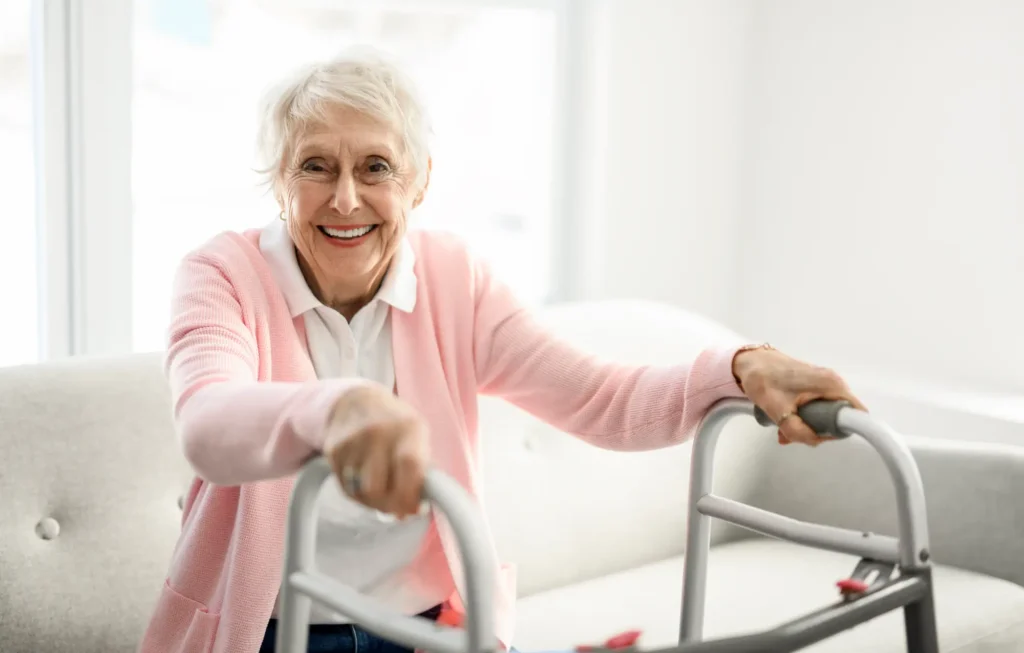
Mobility aids can provide essential support for seniors with balance or gait issues. A physical therapist can help determine which type of aid is most appropriate – whether it’s a standard cane, a quad cane, or a walker – and ensure it’s properly fitted and used correctly.
Using a mobility aid is a proactive step toward safety, confidence, and continued engagement in daily activities.
Medical Alert Systems for Emergencies
Even with the best prevention strategies, falls can still happen. Medical alert systems – worn as a pendant or wristband – allow seniors to call for help immediately if they experience a fall or medical emergency. These systems provide peace of mind for both residents and their families, knowing that help is always within reach.
Proper Footwear Choices for Safety
Shoes play a surprisingly important role in fall prevention. Seniors should wear well-fitting shoes with non-slip soles, low heels, and good arch support. Avoid walking in socks, slippers without backs, or shoes with smooth soles that can slip on hard floors.
Senior Fall Prevention Checklist
Daily Habits to Reduce Fall Risks
- Move slowly and deliberately, especially when getting up from a seated or lying position.
- Use assistive devices as recommended.
- Stay engaged in regular physical activity and exercise.
- Drink water throughout the day and eat balanced meals.
- Be mindful of surroundings and take time to navigate safely.
Regular Check-Ins with Caregivers or Family
Family members and caregivers play a vital role in fall prevention. Regular check-ins – whether in person, by phone, or through video calls –help monitor changes in mobility, mood, or health that could signal increased fall risk.
Encourage open communication about concerns, and work together to address potential hazards or challenges before they lead to an incident.
Final Thoughts: Empowering Seniors Through Safety
Fall prevention is about more than physical safety; it’s about preserving dignity, confidence, and the freedom to live fully. When seniors feel secure in their environments, supported by compassionate care teams, and equipped with the right tools and strategies, they’re able to engage more deeply in life.
Dynamic fall prevention combines proactive strategies, thoughtful environmental design, and personalized care to create a foundation of safety that empowers residents to move with confidence every single day.

Westminster Place: Where Safety and Support Go Hand in Hand
At Westminster Place, safety and support go hand in hand. Our Skilled Nursing and Memory Care teams use proven fall-prevention strategies, personalized therapies, and a warm, structured environment to help residents stay secure and confident every day.
From tailored exercise programs and medication management to environmental modifications and compassionate care, we’re committed to reducing fall risk while promoting strength, stability, and peace of mind for every resident.
Contact us today to learn more or schedule a visit to see how Westminster Place promotes a safe, engaging lifestyle where residents can thrive.