
From the Skilled Nursing Facility to Home: Bridge Programs That Keep Momentum After Discharge
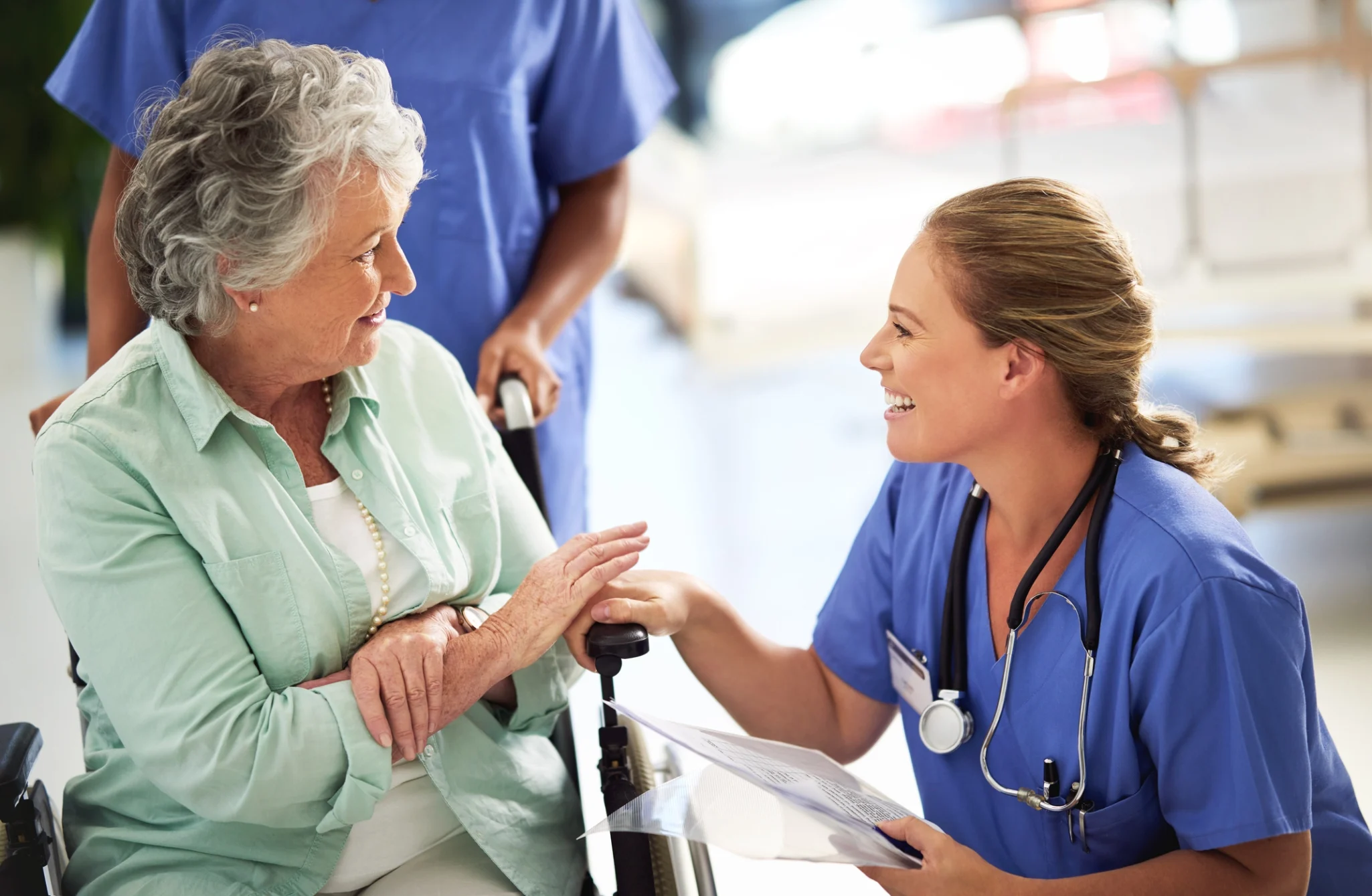
Transitioning from a skilled nursing facility (SNF) back to home is a meaningful milestone—but it can also be one of the most vulnerable stages of recovery. While discharge signals progress, seniors often face challenges such as adjusting to new routines, managing medications, or coping with reduced support. Without ongoing guidance, the hard-earned gains made during Rehabilitation can stall or even regress, potentially leading to hospital readmissions.
Bridge programs are designed to provide support during this critical period. By extending care coordination, therapy guidance, and wellness oversight beyond discharge, these programs help seniors stay safe, confident, and engaged as they settle back into home life. At Westminster Place, a Life Plan Community in Evanston, IL, bridge programs create a seamless, dynamic pathway from skilled care to home, preserving progress while prioritizing both physical recovery and emotional well-being.
What Are Bridge Programs?
Bridge programs are structured post-discharge support services that help “bridge the gap” between skilled nursing care and life at home. Rather than ending therapy and professional oversight abruptly at discharge, these programs provide continuity by offering a combination of personalized guidance, regular monitoring, and professional support.
Seniors may receive a variety of services, such as home exercise kits tailored to their therapy needs, telehealth check-ins with therapists or nurses, and coordination with primary care providers or specialists. The goal is simple: maintain momentum. Bridge programs reinforce routines established during rehabilitation, ensure therapy progress continues, and help seniors feel prepared—not overwhelmed—by the transition home.
- Continuity of care from the Skilled Nursing community to home
- Reduced risk of hospital readmissions
- Improved confidence navigating daily routines
- Ongoing engagement in recovery goals and wellness
How Bridge Programs Support Seniors After Discharge
No two recovery journeys are the same. At Westminster Place, bridge programs begin with personalized care plans designed to reflect each senior’s therapy recommendations, medical needs, and lifestyle.
- Customized therapy schedules aligned with the Skilled Nursing community’s discharge guidance
- Short-term milestones to track immediate recovery goals
- Long-term wellness goals to support sustained progress
- Regular adjustments as individual needs and abilities change
For example, a senior recovering from hip replacement may receive a tailored plan that includes daily guided exercises, scheduled follow-ups with a physical therapist, and check-ins for medication management. This individualized approach ensures that recovery stays on track while minimizing stress and uncertainty.
Coordinated Therapies
Maintaining therapy consistency after discharge can be one of the biggest challenges. Bridge programs ensure continuity through collaboration among skilled professionals, including:
- Nurses who monitor health status, medication routines, and wound care
- Physical therapists supporting strength, balance, and mobility
- Occupational therapists guiding safe daily routines and activities
- Speech therapists addressing communication or swallowing challenges
This coordinated care allows seniors to continue the routines and exercises established in the skilled nursing community. For example, a senior practicing balance exercises in therapy sessions can have these exercises adapted safely for their home environments, reinforcing progress while preventing setbacks.
Ongoing Monitoring and Check-Ins
Recovery is dynamic, and regular monitoring is essential to detect challenges early. Bridge programs provide scheduled check-ins to help care teams:
- Track therapy and medication adherence
- Identify early warning signs of setbacks
- Adjust care plans proactively to ensure safety
This ongoing oversight ensures seniors feel supported throughout the transition, while families gain confidence that any concerns will be addressed promptly.
Seniors gain confidence knowing their recoveries continue with familiar routines and professional guidance. Families feel reassured through regular check-ins and coordinated care, creating a smoother, safer transition home.
The Role of Collaborative Care Teams
Effective bridge programs rely on teamwork. At Westminster Place, interdisciplinary care teams work together to ensure seniors feel informed, supported, and confident throughout the transition home.
- Clinical professionals overseeing recovery and wellness
- Therapy staff reinforcing consistent Rehabilitation routines
- Caregivers providing support with activities of daily living (ADLs)
- Family members serving as active partners in care
When team members communicate and coordinate closely, they help prevent errors, reduce the risk of setbacks, and reinforce recovery strategies. This collaboration creates a safety net, ensuring seniors continue to make progress while families are fully informed and supported.
Practical Tips for Families and Caregivers
Families play a vital role in supporting recovery at home. Bridge programs often provide guidance and practical strategies, such as:
- Reinforce therapy routines: Encourage daily exercises recommended by therapists to maintain mobility and strength.
- Prepare the home environment: Remove trip hazards, improve lighting, and ensure mobility aids are accessible and properly used.
- Track progress: Keep a simple log of balance, strength, or comfort levels to share with the care team.
- Communicate openly: Ask questions early and share observations promptly to prevent minor issues from becoming setbacks.
- Encourage engagement: Include seniors in planning routines or therapy activities to increase motivation and confidence.

Explore the Benefits of Westminster Place’s Bridge Programs
Bridge programs at Westminster Place provide more than just physical Rehabilitation—they also support emotional and mental well-being. Seniors experience reassurance knowing they have professional guidance, structured routines, and ongoing monitoring. Families gain confidence through clear communication, reducing worry and stress during a potentially challenging transition.
- Ensures Rehabilitation progress continues without interruption
- Provides a structured yet comfortable transition home
- Reduces hospital readmissions through proactive monitoring
- Builds confidence, engagement, and overall well-being
Continue the Journey with Confidence
Ensure your loved one’s recovery continues smoothly after discharge with Westminster Place’s bridge programs. Our coordinated therapies, compassionate care team, and personalized support help seniors maintain progress, stay safe, and thrive at home.
Contact us today to learn more or schedule a visit to see how our bridge programs keep momentum going every step of the way.